


Dr. Julian Hieronymus: understanding symptoms and weighing options
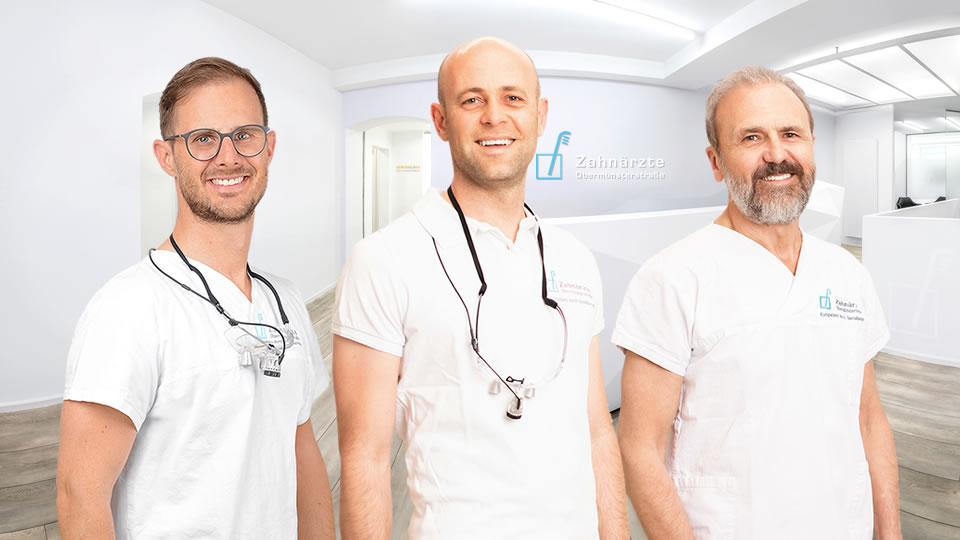
Dr. Julian Hieronymus M.Sc. has worked at Zahnärzte Obermünsterstraße in Regensburg since 2010 and has been a practice owner since 2013. After studying dentistry in Würzburg, he completed a Master's programme in Dental Aesthetics and Function in Greifswald between 2015 and 2019. His work includes aesthetic dentistry, microscopic endodontics and the treatment of functional jaw disorders. He is a member of the German Society for Aesthetic Dentistry.If you wake with a tense jaw or notice pain when chewing, understanding the cause is usually the first priority. Symptoms involving the jaw muscles and joints can have different causes. Not every click needs treatment, and not all facial pain comes from a tooth. A focused examination helps identify which explanations are relevant to your situation.
Assessing jaw symptoms
Your observations are useful
Note when symptoms started and whether they occur mainly in the morning, during meals or at stressful times. Mention restricted opening, clenching and previous treatment. Assessment may include jaw movement, muscles, joints and teeth. An examination relating to jaw function and CMD, also known as temporomandibular disorders, helps provide a reasoned basis for the treatment plan.A single measurement or joint sound does not automatically explain every symptom. Depending on the findings, gentle initial measures such as temporary load reduction, guided exercises or an individually assessed splint may be considered. Discuss which options fit your needs and how progress will be reviewed. Persistent or worsening symptoms should be reassessed if the agreed approach is not providing sufficient relief.
Checking whether a tooth is involved
Inflammation or infection inside a tooth can also cause pain. Whether root canal treatment is appropriate depends on examination findings and any further diagnostic information needed. The condition of the tooth and the possibility of restoring it afterwards are relevant. The location of pain alone should not lead to an immediate assumption that a functional jaw disorder is responsible.Root canal treatment aims to retain a natural tooth. After the canals have been cleaned and filled, a suitable seal or further restoration is important. Ask about the options for preserving the tooth, the limitations of treatment and planned reviews. Microscopic assistance can support treatment, but the outcome for an individual tooth cannot be guaranteed.
Considering appearance in context
If you also want changes to tooth shape or colour, aesthetic planning should take account of symptoms and the tooth tissue already present. Cosmetic restorations are not a general treatment for jaw joint problems. Before healthy teeth are permanently reshaped, the benefits, alternatives and possible disadvantages need careful individual consideration. Ask whether a smaller intervention or an initial period of observation could be appropriate.Your priorities are part of the consultation alongside the examination findings. Bring available dental records and a medication list, and raise any uncertainty about previous recommendations. Together with Dr. Hieronymus, you can identify which questions need answering first and discuss a suitable sequence of care. Arrange a personal consultation to explore your symptoms and treatment preferences in detail.